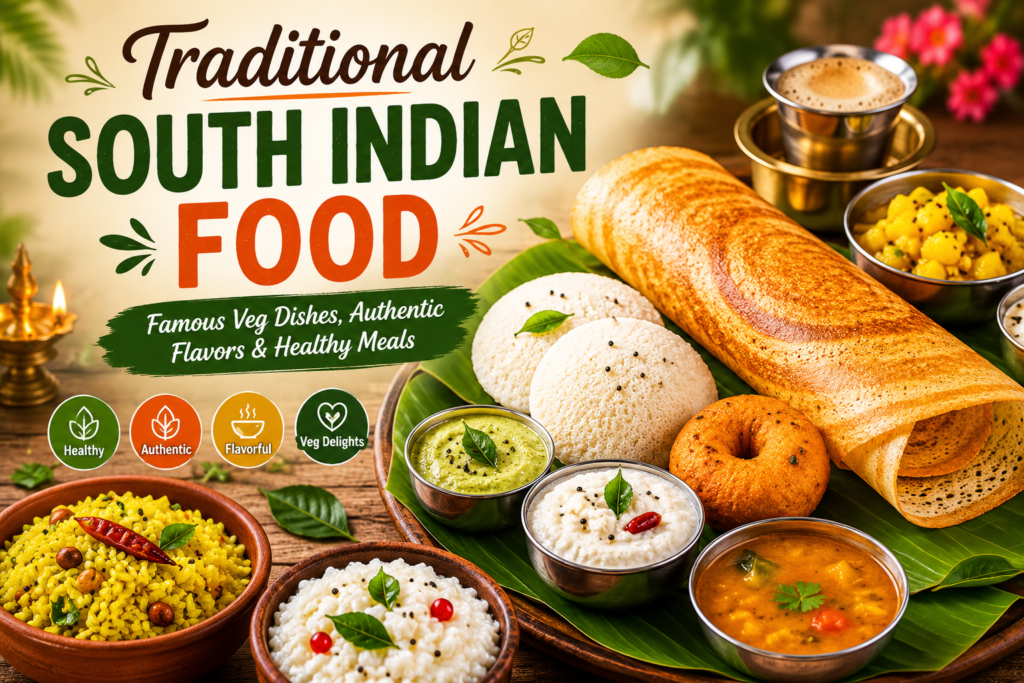
Traditional South Indian food is one of the most loved cuisines in India. People enjoy it for its rich taste, healthy ingredients, and comforting flavours. From crispy dosa to soft idli, every dish carries a strong connection with culture and tradition.
South Indian cuisine is not limited to one state or one flavour. It includes the food traditions of Tamil Nadu, Kerala, Karnataka, Andhra Pradesh, and Telangana. Each region adds its own spices, cooking methods, and serving styles to create something special.
Today, traditional South Indian food has become popular across India. Many families now choose South Indian meals because they are light, filling, and easy to digest. Restaurants and food lovers continue to explore authentic regional dishes with growing interest.
In cities like Patna, food lovers also look for authentic Indian dining experiences. Places like Baati Chokha attract visitors who enjoy exploring traditional Indian flavours and regional food culture in a welcoming environment.
What Is Traditional South Indian Food?
Traditional South Indian food refers to the regional cuisine prepared in South Indian states. These dishes mainly use rice, lentils, coconut, curry leaves, tamarind, and local spices. The food is known for balanced flavours and healthy cooking methods.
Unlike heavy gravies found in many North Indian dishes, South Indian meals often focus on steamed, fermented, or lightly cooked ingredients. This cooking style helps preserve nutrition while improving digestion and taste.
A traditional South Indian meal usually includes rice, sambar, rasam, chutney, vegetables, and curd. Banana leaves are also commonly used for serving food during festivals and special occasions.
Why Traditional South Indian Food Is So Popular
Traditional South Indian food has gained popularity because it combines taste with health benefits. Many dishes contain fermented ingredients that support gut health and improve digestion naturally.
According to several nutrition studies, fermented foods can improve digestive health and support beneficial bacteria in the stomach. Foods like idli and dosa are excellent examples of naturally fermented meals.
People also love South Indian cuisine because it offers many vegetarian options. Families looking for healthy and affordable meals often prefer traditional South Indian vegetarian food over processed fast food.
Another reason behind its popularity is variety. A single South Indian meal can include spicy, tangy, crunchy, creamy, and mild flavours together. This balance creates a satisfying eating experience for every age group.
Traditional South Indian Vegetarian Food You Must Try
South India is famous for delicious vegetarian meals. These dishes are simple, flavorful, and deeply connected with local traditions.
Idli
Idli is one of the healthiest breakfast foods in India. It is made from fermented rice and urad dal batter. The steaming process keeps the dish light and low in oil.
People usually eat idli with coconut chutney and hot sambar. This combination provides carbohydrates, protein, and fiber together.
Dosa
Dosa is a thin and crispy fermented crepe prepared using rice batter. It is one of the most famous dishes in the traditional South Indian food category.
Popular varieties include:
- Masala dosa
- Rava dosa
- Mysore dosa
- Paper dosa
Dosa is now served in restaurants across India and even in international food chains.
Uttapam
Uttapam looks similar to a thick pancake. Chefs prepare it using fermented batter topped with onions, tomatoes, green chilies, and coriander.
It offers a soft texture and rich flavour. Many families enjoy uttapam as a healthy breakfast or evening meal.
Sambar
Sambar is a lentil-based curry prepared with vegetables and tamarind. It contains protein, vitamins, and natural spices.
This dish pairs well with:
- Rice
- Idli
- Dosa
- Medu vada
Sambar plays an important role in every south indian traditional food list.
Rasam
Rasam is a thin soup made with tamarind, black pepper, tomato, and spices. Many people drink it during cold weather because it feels warm and comforting.
Traditional households also consider rasam helpful for digestion.
Pongal
Pongal is a rice and lentil dish cooked with black pepper, curry leaves, and ghee. It is popular during festivals in Tamil Nadu.
The dish feels soft, comforting, and filling. Families often prepare it during religious celebrations and family gatherings.
South Indian Traditional Food List by State
Every South Indian state offers unique dishes and local specialties. This diversity makes traditional South Indian food more exciting and flavorful.
Tamil Nadu Traditional Food
Tamil Nadu is famous for:
- Pongal
- Chettinad curry
- Filter coffee
- Dosa varieties
The cuisine uses bold spices and traditional cooking methods that create deep flavours.
Kerala Traditional Food
Kerala cuisine includes:
- Appam
- Avial
- Kerala Sadya
- Puttu
Coconut is widely used in Kerala dishes. Banana chips and coconut oil also play an important role in local cooking.
Karnataka Traditional Food
Popular Karnataka dishes include:
- Bisi Bele Bath
- Mysore Pak
- Ragi Mudde
- Neer Dosa
Many Karnataka recipes combine sweet and spicy flavors together.
Andhra Pradesh Traditional Food
Andhra cuisine is famous for spicy meals and rich chutneys.
Popular dishes include:
- Pulihora
- Andhra meals
- Gongura chutney
- Pesarattu
People who enjoy spicy food often love Andhra dishes.
Telangana Traditional Food
Telangana cuisine includes:
- Sarva Pindi
- Hyderabadi dishes
- Millet-based foods
The region combines traditional village cooking with royal food influences.
What Makes Traditional South Indian Food Healthy?
Traditional South Indian food is considered healthier than many processed food options available today. The cooking style focuses on fresh ingredients and balanced nutrition.
Benefits of Traditional South Indian Food
Fermented Foods Improve Digestion
Idli and dosa batter naturally ferment overnight. Fermentation supports gut-friendly bacteria and improves nutrient absorption.
Low Oil Cooking
Many dishes use steaming or light roasting instead of deep frying. This method reduces unnecessary oil intake.
Balanced Nutrition
South Indian meals combine:
- Rice
- Lentils
- Vegetables
- Spices
- Curd
This combination provides carbohydrates, protein, vitamins, and minerals together.
Gluten-Free Options
Several South Indian dishes are naturally gluten-free because they use rice instead of wheat.
Rich in Fiber
Vegetable curries, lentils, and coconut-based dishes increase fiber intake and support digestion.
How Traditional South Indian Food Connects Families
Food plays an emotional role in South Indian culture. Families often sit together during breakfast, lunch, and festivals to enjoy homemade meals.
Traditional dishes remind people of childhood memories, family gatherings, and festive celebrations. Grandmothers usually pass recipes from one generation to another.
Many working professionals now miss homemade traditional food because of busy city life. This emotional connection has increased demand for authentic restaurants and regional dining experiences.
During festivals, families prepare dishes like:
- Pongal
- Payasam
- Vada
- Lemon rice
- Coconut rice
These meals bring people together and strengthen cultural traditions.
Signs of an Authentic Traditional South Indian Food Restaurant
Finding authentic food can sometimes feel difficult because many restaurants change recipes for commercial taste. However, a few signs can help identify a genuine traditional south indian food restaurant.
Signs of Authentic South Indian Cuisine
Fresh Chutneys
Authentic restaurants prepare fresh coconut chutney daily instead of using packaged alternatives.
Traditional Serving Style
Many traditional places serve food on banana leaves for a cultural dining experience.
Balanced Spices
Original South Indian dishes focus on balanced flavor instead of excessive spice or oil.
Homemade Sambar
Good restaurants prepare sambar using fresh vegetables and proper spice blends.
Regional Menu Variety
Authentic restaurants include dishes from multiple South Indian states instead of offering only dosa and idli.
Food lovers in Patna often explore regional Indian flavours at places like Baati Chokha, where traditional food culture and authentic dining experiences continue to attract local visitors and travelers.
How Traditional South Indian Food Became Popular Across India
Traditional South Indian food was once mostly limited to Southern states. Today, it has become a national favorite.
Several reasons helped this growth:
- Affordable meals
- Healthy food trend
- Fast restaurant service
- Vegetarian demand
- Social media food content
According to restaurant industry reports, dosa and idli remain among the most ordered breakfast items in many Indian cities.
The rise of food delivery apps also increased the popularity of South Indian cuisine among young consumers and office workers.
Tips to Enjoy Authentic South Indian Food
If you want the best experience, follow a few simple tips before trying traditional South Indian dishes.
How to Enjoy South Indian Cuisine Better
- Eat dosa fresh and hot
- Pair idli with multiple chutneys
- Try filter coffee after meals
- Taste regional thalis
- Explore dishes beyond basic dosa
- Visit authentic traditional south indian food restaurant locations
Trying different state cuisines helps people understand the diversity within South Indian food traditions.
Traditional South Indian dishes for Modern Lifestyles
Busy lifestyles have changed eating habits in many Indian homes. However, traditional South Indian dishes still fits modern health goals very well.
Fitness-conscious people prefer idli, dosa, upma, and pongal because these dishes feel light while keeping the stomach full for longer periods.
Parents also choose South Indian breakfast items for children because they are easier to digest than processed packaged snacks.
Many nutrition experts recommend fermented and home-cooked meals over heavily processed fast food. South Indian cuisine naturally supports this healthier lifestyle approach.
Conclusion
Traditional South Indian food offers much more than delicious taste. It represents culture, family traditions, nutrition, and regional diversity together.
From crispy dosa to comforting rasam, every dish carries a unique identity and cooking heritage. The cuisine also provides excellent vegetarian choices that suit modern healthy lifestyles.
Whether someone wants flavorful breakfast options, comforting family meals, or authentic regional experiences, South Indian cuisine continues to satisfy every generation.
As interest in traditional Indian cuisine grows, more people are exploring authentic restaurants and regional flavours. Places like Baati Chokha also help food lovers discover the beauty of Indian culinary traditions through memorable dining experiences.
FAQ Section
What is the most famous traditional South Indian dishes?
Dosa and idli are among the most famous traditional South Indian dishes enjoyed across India and abroad.
Why is traditional South Indian food considered healthy?
The cuisine uses fermented batter, fresh vegetables, lentils, and low-oil cooking methods that support digestion and balanced nutrition.
What are common traditional South Indian vegetarian food items?
Popular vegetarian dishes include dosa, idli, sambar, rasam, pongal, uttapam, lemon rice, and curd rice.
Which South Indian state has the spiciest food?
Andhra Pradesh is widely known for spicy curries, chutneys, and flavorful traditional dishes.
How is South Indian food different from North Indian food?
South Indian cuisine mainly uses rice, coconut, and tamarind, while North Indian food often uses wheat, dairy, and richer gravies.
What should I try at a traditional South Indian food restaurant?
You should try:
- Masala dosa
- Idli
- Medu vada
- South Indian thali
- Filter coffee
- Sambar and chutneys
Is South Indian food good for weight management?
Yes. Many dishes are steamed, fermented, and low in oil, making them suitable for balanced eating habits.